.svg)


Texas bluebonnet season is off to the races. Due to a warm winter, the season shot out of the gate about 2 to 3 weeks early this year, with blooms already visible around the Austin, San Antonio, and Houston regions. Peak blooms are anticipated through mid-April.
This year’s season – considered one of the most cherished annual traditions in Texas – may be marked by less dense patches, thanks to dry conditions. But the Texas state flower remains a powerful example of natural splendor, especially in Round Top and throughout Fayette County as well as neighboring Washington and Austin counties.
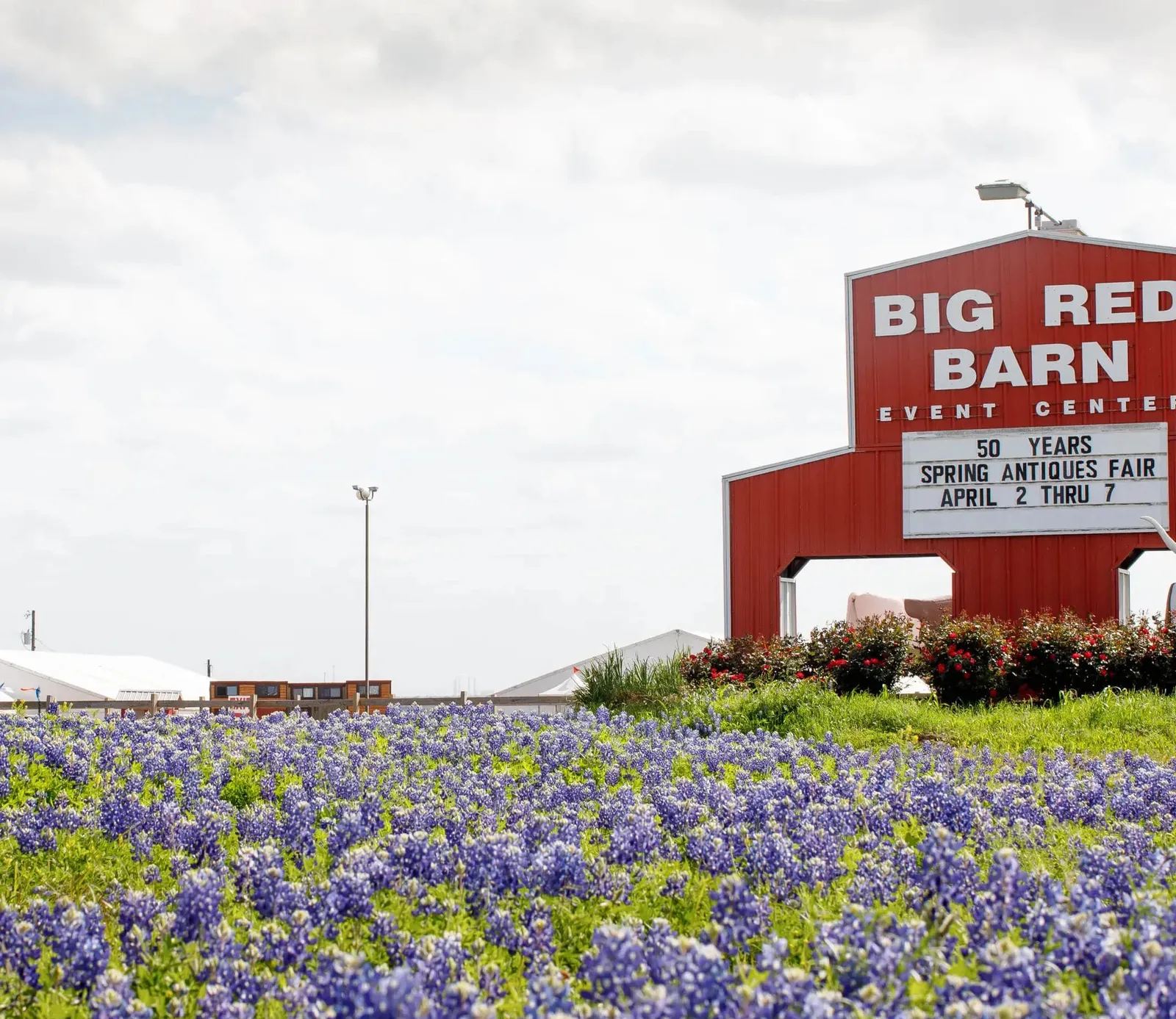
While the Hill Country is prime bluebonnet territory (the hillsides, canyons, creek, and river bottoms are generally teeming with wildflowers), the flowers can be seen throughout the state, including the Panhandle, Gulf Coast, East Texas, and Big Bend Country. The Texas Parks and Wildlife Commission invites everyone to enjoy this year’s flora, but reminds wildflower lovers not to step on or trample them and to resist the urge to pick them and take them home. Their best advice for all of the state’s 89 parks: Leave no trace but enjoy the space.
Here are some things you may not know about the Texas bluebonnet:
*
Texas is the first U.S. state to intentionally plant wildflowers along state highways.
*
Texas has six native bluebonnet species, and they all tend to bloom from the end of March into early May. All six are considered the state flower.
*
Just as there are multiple species, the bluebonnet also goes by other names. Botanists call it lupine (it is part of the Lupinus genus), while the general public has also called it buffalo clover and wolf flower. The Spanish called it El Conejo ("rabbit," after the flower’s white tip which resembled a cottontail rabbit) and Azulejo for its coloring.
*
Bluebonnets germinate in the fall and are highly adapted to cold snaps. Despite their name, they also come in other colors. While most are blue and white, there are also pink, purple, and white bluebonnets.
*
Beware: they’re considered poisonous. Pretty to look at, yes, but bluebonnets are toxic to humans, dogs, cats, and livestock if ingested.
*
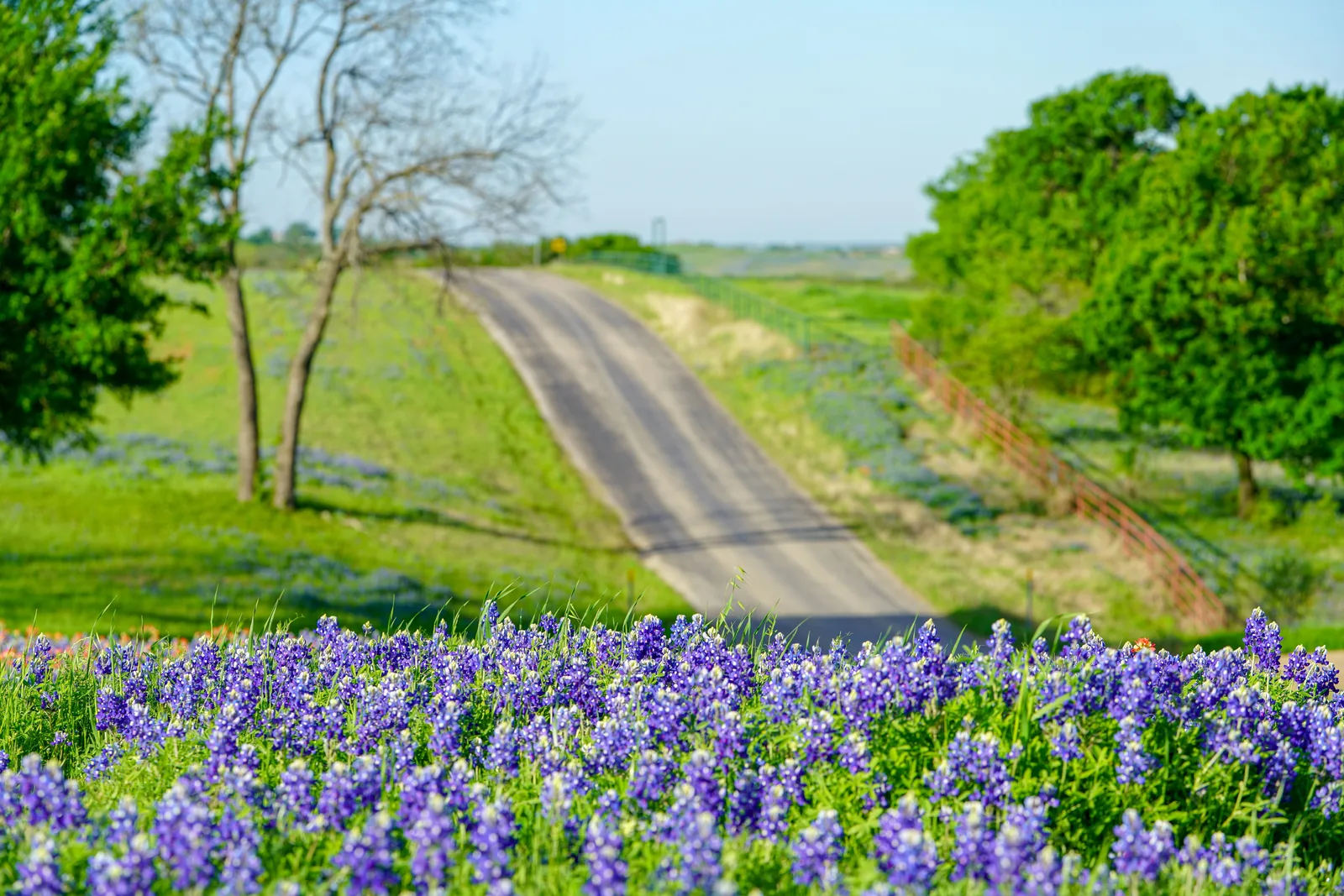
Ennis is known as the "Official Bluebonnet City of Texas" and has more than 40 miles of mapped driving trails to showcase the blooms. This year, the trails are open April 1–30, and the Ennis Bluebonnet Trails Festival runs April 17–19.
*
It’s an urban myth that picking the state flower is illegal. There is no such state statute. However, you cannot pick flowers on private land without the owner’s consent, and it is illegal to pick, cut, or destroy plant life on Texas State Park grounds or other government property.
Texas bluebonnet season is off to the races. Due to a warm winter, the season shot out of the gate about 2 to 3 weeks early this year, with blooms already visible around the Austin, San Antonio, and Houston regions. Peak blooms are anticipated through mid-April.
This year’s season – considered one of the most cherished annual traditions in Texas – may be marked by less dense patches, thanks to dry conditions. But the Texas state flower remains a powerful example of natural splendor, especially in Round Top and throughout Fayette County as well as neighboring Washington and Austin counties.
While the Hill Country is prime bluebonnet territory (the hillsides, canyons, creek, and river bottoms are generally teeming with wildflowers), the flowers can be seen throughout the state, including the Panhandle, Gulf Coast, East Texas, and Big Bend Country. The Texas Parks and Wildlife Commission invites everyone to enjoy this year’s flora, but reminds wildflower lovers not to step on or trample them and to resist the urge to pick them and take them home. Their best advice for all of the state’s 89 parks: Leave no trace but enjoy the space.
Here are some things you may not know about the Texas bluebonnet:
*
Texas is the first U.S. state to intentionally plant wildflowers along state highways.
*
Texas has six native bluebonnet species, and they all tend to bloom from the end of March into early May. All six are considered the state flower.
*
Just as there are multiple species, the bluebonnet also goes by other names. Botanists call it lupine (it is part of the Lupinus genus), while the general public has also called it buffalo clover and wolf flower. The Spanish called it El Conejo ("rabbit," after the flower’s white tip which resembled a cottontail rabbit) and Azulejo for its coloring.
*
Bluebonnets germinate in the fall and are highly adapted to cold snaps. Despite their name, they also come in other colors. While most are blue and white, there are also pink, purple, and white bluebonnets.
*
Beware: they’re considered poisonous. Pretty to look at, yes, but bluebonnets are toxic to humans, dogs, cats, and livestock if ingested.
*
Ennis is known as the "Official Bluebonnet City of Texas" and has more than 40 miles of mapped driving trails to showcase the blooms. This year, the trails are open April 1–30, and the Ennis Bluebonnet Trails Festival runs April 17–19.
*
It’s an urban myth that picking the state flower is illegal. There is no such state statute. However, you cannot pick flowers on private land without the owner’s consent, and it is illegal to pick, cut, or destroy plant life on Texas State Park grounds or other government property.

